Dr Barry Seemungal, PhD FRCP, Chair

Dr Barry Seemungal (PhD FRCP) is a neurologist at the Neuro-Otology Unit, Imperial College London. He heads the Brain and Vestibular Group (BAVG), comprising four Research Assistants, two medical Clinical Research Fellows, and a Physiotherapy NIHR Doctoral Fellow. The BAVG is funded by the Medical Research Council (UK), The NIHR, US Department for Defense, Racing Foundation, Imperial Health Charity and the Imperial NIHR BRC. His main areas of research comprise the brain mechanisms of imbalance in traumatic brain injury, automated algorithms for diagnosing stroke in patients presenting with vertigo and balance impairment in neurodegenerative disease. He participated in the international expert working group that published the first consensus guidelines on Vestibular Migraine, has contributed to the UK NICE guidelines on Vertigo and is a regular invited speaker at international meetings, e.g. the 1st and 2nd meetings of the European Academy of Neurology meeting (2015 and 2016). He held a prestigious Academy of Medical Sciences Clinician Scientist Fellowship from 2008 to 2014, where he published as senior author, the first evidence delineating both the cortical network associated with the vestibular sensation of vertigo (Nigmatullina et al., Cereb Cortex 2015) and that mediating vestibular-spatial orientation (Kaski et al., Brain 2016). He has published over 50 papers, the majority as first or senior author, in scientific and clinical journals such as Brain, Journal of Neuroscience, Cerebral Cortex and the Lancet. He is a regular reviewer for several research foundations including The Medical Research council (UK), The EU (Future and Emerging Technologies Programme and the Marie Sklodowska-Curie Fellowships), The German Research Foundation and The Leverhulme Trust. He is Editor in Chief of a new publication the Journal of Concussion (Sage) and an associate editor for Frontiers in Neurology (Neuro-Otology section) and is a regular reviewer of manuscripts for clinical and scientific journals. As a clinical neurologist he runs a specialist clinic for vertigo and eye movement disorders. He supports the hyperacute neurological services including for the Major Trauma Unit and the Hyper Acute Stroke Unit. He is also involved in developing new models of integrated healthcare for neurological patients aiming to reduce the divide between community and hospital, acute and chronic care.

Dr Louisa Murdin is Consultant in Audiovestibular Medicine at Guy's and St Thomas' NHS Foundation Trust and Honorary Associate Professor at UCL Ear Institute, London. She is current Chair of the BSNO Committee. Louisa studied medicine at the University of Oxford before further in training in the UK and Australia, including her PhD at UCL's Institute of Neurology. She has interests in vestibular migraine, Meniere's disease, organisation of hearing and balance services and audiovestibular manifestations of systemic disease. Recent research includes clinical trials into intratympanic therapy of Meniere's disease and she is a lead partner in the current EU Horizon 2020 EVOTION programme to improve population hearing health. She also works with the NIHR and Cochrane ENT group on development of evidence-based practice in Vestibular Medicine.

Adolfo Bronstein is Professor of Clinical Neuro-otology at Imperial College
London and a Consultant Neurologist at Charing Cross Hospital and at the National
Hospital for Neurology and Neurosurgery, Queen Square, London. He heads the Neuro-otology
Unit in the Division of Brain Sciences at Imperial College. He has written over 250 papers on
clinical and basic aspects of eye movements, balance and spatial orientation. His book, 'Dizziness'
received a 'High Commendation' at the 2008 BMA Medical Book prize Competition. Professor Bronstein is an
enthusiastic teacher of neuro-otology and balance disorders in European and world neurological societies.
In 2008 he obtained the Nylen-Hallpike Prize of the Barany Society for outstanding contribution to clinical neuro-otology.
His current research interests are the high order mechanisms involved in central
compensation of peripheral vestibular disorders as well as the role of small vessel white
matter disease in balance dysfunction in the elderly. He was the first chairman of the British
Society of Neuro-otology (BSNO0 and has been chairman of the neuro-otology panel for the
European Federation of Neurological Sciences and president of the clinical neuroscience section of
the Royal Society of Medicine.
Academic webpage: www.imperial.ac.uk/people/a.bronstein
Diego Kaski is a Consultant Neurologist at University College London hospital and the National Hospital for Neurology and Neurosurgery in London, and an honorary Senior Clinical Research Fellow at Imperial College London. He has a special interest in Neuro-otology having completed a PhD at Imperial College London investigating the cortical mechanisms underlying human spatial navigation under the supervision of Professor Bronstein. He set up and ran an acute vertigo service in Charing Cross Hospital, London between 2009-2012. He has also undertaken extensive research into the cortical mechanisms of human spatial orientation, and the application of non-invasive brain stimulation techniques in the treatment of neurological balance disorders.
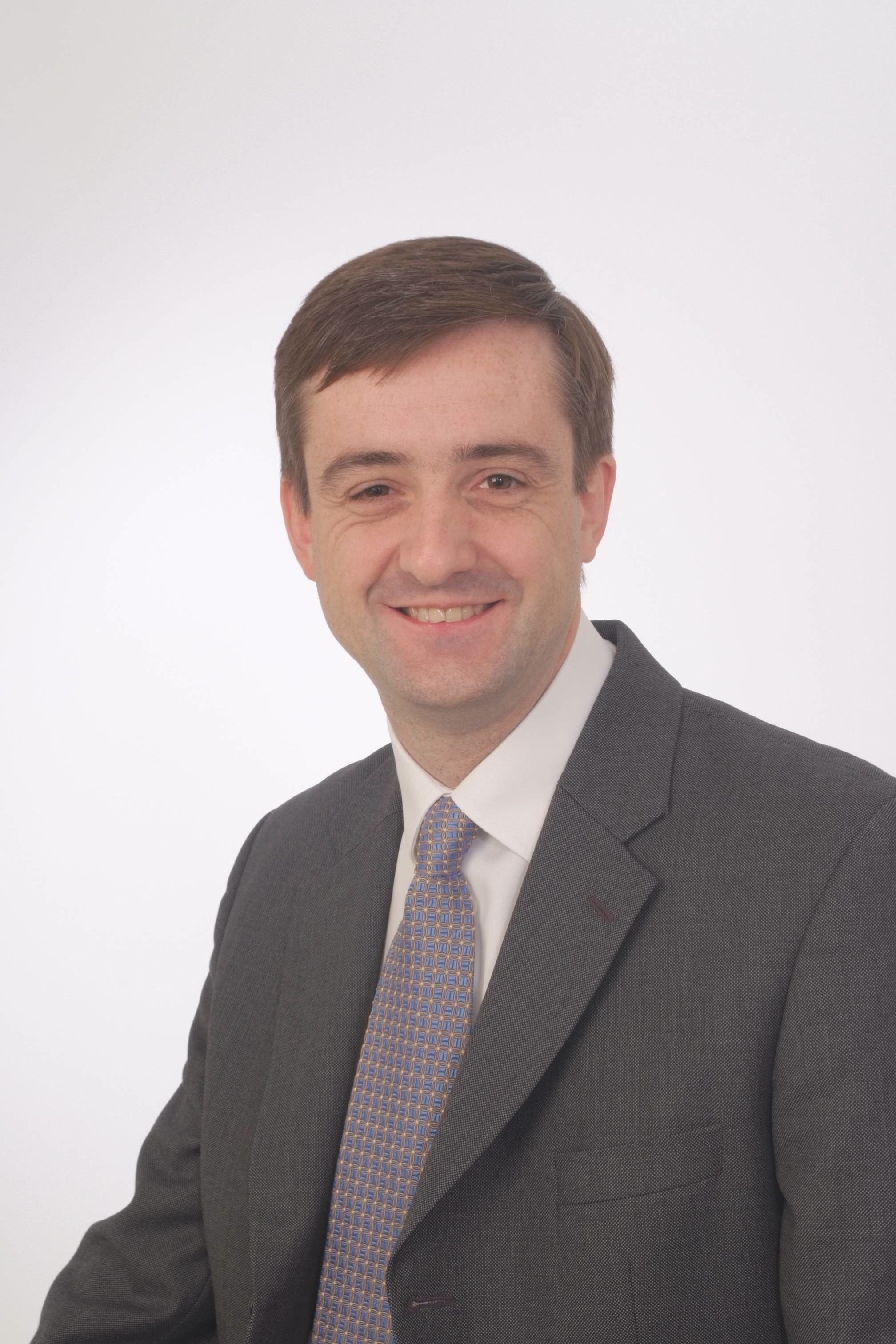
Peter Rea has been Consultant ENT Surgeon at The Leicester Royal Infirmary since 2004. He Chaired BSNO from 2013-2019. He is now President of The British Society of Otology (2020-2022), H onorary Professor of Balance Medicine at De Montfort University, Leicester, and Honorary Professor to the Departments of Neuroscience and Informatics at The University of Leicester. After undergraduate studies at Cambridge and Oxford, his medical training took him to the USA and Australia, with specialist training based around The Royal National Throat Nose and Ear Hospital in London. He runs a busy medical and surgical ENT practice, and now manages patients with balance disorders at The Leicester Balance Centre which handles some 7,000 appointments per year. His recent research interests have included clinical studies into intra-tympanic therapies in M�ni�re's disease, surgery for posterior canal BPPV, the development of tools to investigate balance disorders including oVEMPS and vHITs, and most recently international collaborations developing an AI tool for balance diagnostics. His teaching interests include the annual three-day Leicester Balance Course which he has run since 2004 and which champions a multidisciplinary approach to balance. He is on the faculty of a number of other teaching organisations including the charity ENT Masterclass which takes him around the world.
Other committee members include Dr Qadeer Arshad and Dr Soumit Dasgupta.

Natasha is Director at the Meniere's Societ and provides admin and event support for BSNO. Natasha has 30 years' experience of working in the voluntary and not-for-profit sector and has worked for the Meniere's Societ since 2005. She is responsible for the day to day running of the Meniere's Societ and, as such, her role involves a wide range of activities including fundraising, strategy, publicity, attending events and liaising with health professionals, researchers and related organisations; as well as remaining a hands-on member of the office team responding to enquiries and calls on the telephone information line. Natasha is a member of the BSA's Balance Interest Group committee.